Why Regular Cleaning in Your Home or Business Matters More Than You Think
The Real Value of Regular Cleaning in Everyday Spaces
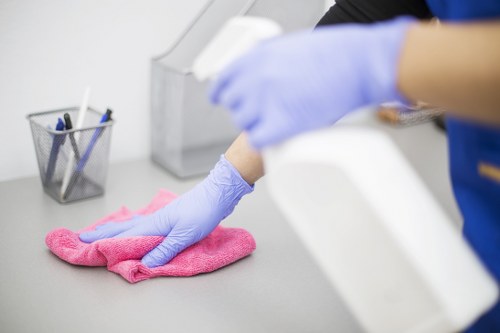
Regular cleaning is one of those habits that people often notice only when it is missing. A space can look fine at first glance, yet dust, grime, allergens, and clutter slowly build up in ways that affect health, comfort, and productivity. Whether you manage a home, office, retail store, or rental property, regular cleaning plays a major role in how the space feels and functions.
In busy routines, it is easy to focus on visible messes and postpone deeper tasks. Still, regular cleaning in any environment helps create a safer, fresher, and more welcoming atmosphere. It supports better hygiene, protects surfaces, and reduces the stress that often comes with living or working in a disorganized area. When done consistently, cleaning becomes less of a chore and more of a practical system for keeping life running smoothly.
There is also an important financial side to it. Well-maintained spaces tend to last longer, need fewer repairs, and retain more value over time. In other words, regular cleaning is not just about appearance. It is an investment in the condition, longevity, and reputation of a property.
How Regular Cleaning Supports Health and Hygiene
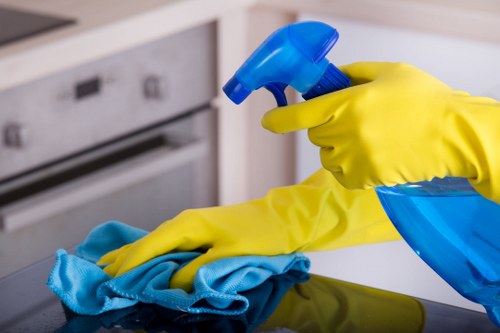
One of the biggest reasons people prioritize regular cleaning in homes and workplaces is health. Dust, pollen, pet dander, food particles, and bacteria can collect quickly on floors, counters, furniture, and high-touch surfaces. Without consistent cleaning, these irritants may affect breathing, trigger allergies, or contribute to the spread of germs.
Regular cleaning helps reduce contamination and creates a more sanitary environment for everyone. Kitchens, bathrooms, shared workstations, and entryways especially benefit from frequent attention because these areas are used often and can become hotspots for buildup. When surfaces are wiped, floors are vacuumed, and disinfecting is done properly, the risk of illness can be lowered significantly.
For households with children, older adults, or people with respiratory sensitivities, the benefits are even more noticeable. Cleaner air, fewer dust particles, and sanitized surfaces make daily living more comfortable. Regular cleaning in the right places can also help prevent pest problems, since crumbs and spills are removed before they attract insects or rodents.
Health Benefits at a Glance
Here are some of the most practical health-related advantages of maintaining regular cleaning habits:
- Reduced dust and allergens in the air
- Lower chance of bacteria spreading on surfaces
- Better odor control in kitchens, bathrooms, and bins
- Less mold growth in damp or poorly ventilated areas
- Improved comfort for people with sensitivities
These benefits may sound simple, but they add up over time. A clean environment supports wellness in ways that are easy to overlook until problems begin to appear. That is why regular cleaning in both personal and shared spaces should be treated as a core part of property care.
Even small daily actions such as wiping spills immediately, emptying trash bins, or vacuuming high-traffic areas can make a noticeable difference. The consistency of these actions is what turns ordinary cleaning into a dependable system of care.
Why Regular Cleaning Improves Productivity and Mood
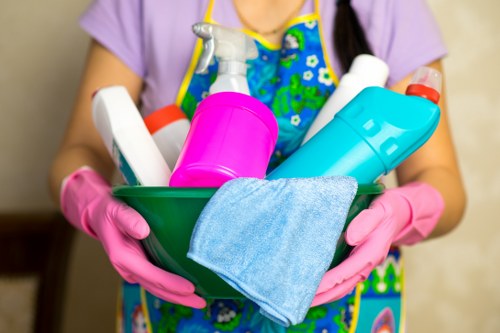
A clean space influences more than just physical health. It also affects mindset, focus, and emotional balance. Cluttered or dirty rooms can create mental noise, making it harder to concentrate or relax. In contrast, regular cleaning in homes and workplaces often leads to a calmer and more organized atmosphere.
In offices, regular cleaning supports better productivity because employees can work without distraction. Desks are easier to use, shared equipment stays in better condition, and meeting rooms feel more professional. People are often more motivated to stay on task when the environment is tidy and well maintained.
At home, the same principle applies. Clean countertops, organized floors, and dust-free surfaces can reduce stress and help a household feel more peaceful. Regular cleaning also makes it easier to find things, complete chores, and maintain routines. Instead of dealing with large messes all at once, the workload stays manageable.
Simple Ways a Clean Space Supports Mental Ease
Regular upkeep can make everyday life feel smoother in several ways:
- Less visual clutter means less mental distraction
- Tasks feel easier when surfaces are clear and accessible
- Shared spaces become more pleasant for everyone
- Routine maintenance prevents large, overwhelming cleanups
People often underestimate how much their surroundings affect their energy levels. A cleaner room can subtly improve focus, reduce tension, and create a sense of control. That is one of the strongest reasons regular cleaning remains important for both personal and professional settings.
Protecting Surfaces and Extending Property Value

Regular cleaning in a property does more than keep it looking nice. It also helps protect the materials and finishes that make up the space. Dust, moisture, stains, and buildup can damage flooring, countertops, appliances, upholstery, and fixtures if they are ignored for too long.
For example, dirt left on hard floors can cause scratches. Soap residue in bathrooms can stain tiles and grout. Kitchen grease can build up on cabinets and appliances. When regular cleaning is part of the routine, these issues are less likely to become permanent or expensive to fix.
This matters greatly for property owners, landlords, and business managers. A well-cared-for building tends to hold its value better and may be more attractive to tenants, customers, or buyers. Regular cleaning in high-use areas can also reduce the need for frequent replacements, saving money in the long term.
Examples of Areas That Benefit Most
Some areas require especially consistent attention because they experience heavy use or are exposed to dirt and moisture.
- Floors and entryways, which collect outdoor debris
- Bathrooms, where moisture can lead to stains and buildup
- Kitchens, where grease and food residue are common
- Windows and glass surfaces, which show dust and fingerprints quickly
- Furniture and upholstery, which trap dust and allergens
By focusing on these zones regularly, you can preserve both the appearance and function of your property. That is one reason regular cleaning should be viewed as a maintenance strategy, not just a cosmetic one.
Regular Cleaning in Homes: Building a Practical Routine
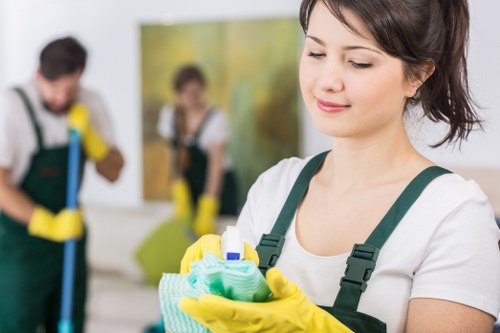
Home cleaning works best when it is broken into smaller, repeatable tasks instead of being saved for rare deep-cleaning sessions. A practical routine reduces stress and keeps the entire home in better condition. Regular cleaning in a household may involve daily, weekly, and monthly tasks depending on the size of the home and the number of people living there.
Daily habits might include wiping counters, washing dishes, sweeping busy areas, and making the bed. Weekly jobs could include vacuuming, mopping, dusting, and sanitizing bathrooms. Monthly tasks often involve cleaning appliances, washing baseboards, organizing storage spaces, or checking areas that are easy to forget.
When families or housemates share responsibilities, cleaning becomes more manageable. Creating a schedule ensures that no single person carries the full burden and that the home stays in shape consistently. Regular cleaning in a shared living space also reduces conflict because expectations are clear and the environment remains pleasant for everyone.
Helpful Household Cleaning Habits
- Clean spills right away to prevent stains and odors
- Declutter surfaces before dusting or wiping them
- Use separate tools for kitchens and bathrooms
- Keep cleaning supplies in a convenient location
- Assign tasks by day so routines feel easier to follow
A home does not need to be spotless every minute to feel clean and comfortable. The goal of regular cleaning is consistency, not perfection. Even simple habits can keep a home pleasant, healthy, and easier to manage.
Regular Cleaning in Workplaces: Creating a Better Professional Environment
Business spaces benefit tremendously from consistent maintenance. Clients, visitors, and employees all notice when a workplace is tidy, fresh, and organized. Regular cleaning in offices, shops, and service areas sends a message of professionalism and care. It shows that the business values both presentation and hygiene.
For employees, a clean workspace can improve morale and reduce distractions. Shared desks, break rooms, restrooms, and conference areas need frequent attention to stay sanitary and comfortable. If dust or clutter accumulates, the atmosphere can quickly feel neglected. On the other hand, regular cleaning helps make the workplace more efficient and more enjoyable to use.
Businesses in customer-facing industries may see even greater benefits. A spotless lobby, shining floors, and clean restrooms can influence how customers perceive the brand. In many cases, regular cleaning contributes to trust. People are more likely to return to a business that appears well managed and cared for.
Why Businesses Should Prioritize Cleaning Consistency
Regular cleaning supports both daily operations and long-term reputation. Some key benefits include:
- Improved first impressions for visitors and clients
- Safer, more hygienic conditions for staff
- Less wear on furniture, fixtures, and equipment
- Reduced chances of unpleasant odors or visible dirt
- Better alignment with workplace cleanliness standards
Whether the space is small or large, regular cleaning in the workplace is an essential part of maintaining a productive and professional environment.
The Difference Between Regular Cleaning and Deep Cleaning
Many people use the terms interchangeably, but regular cleaning and deep cleaning are not the same. Regular cleaning focuses on routine tasks that keep a space neat and sanitary on an ongoing basis. Deep cleaning goes further, targeting buildup in hard-to-reach areas, behind appliances, inside vents, or other places that do not need attention every day.
Both are important, but they serve different purposes. Regular cleaning in a home or business prevents messes from growing out of control. Deep cleaning removes stubborn dirt and helps reset the space when routine maintenance is not enough. Think of regular cleaning as the foundation and deep cleaning as the more detailed support system.
Without regular upkeep, deep cleaning becomes more difficult and time-consuming. Dust can settle deeper, stains may become harder to remove, and surfaces may degrade faster. That is why a steady cleaning routine is often the best way to stay ahead of major cleaning challenges.
How They Work Together
A balanced maintenance plan usually includes both approaches:
- Use regular cleaning to manage day-to-day dirt and clutter
- Schedule deep cleaning for seasonal or occasional intensive tasks
- Focus on high-use zones that require constant care
- Inspect hidden or neglected areas periodically
This combination keeps spaces looking good and functioning properly over time. For most homes and businesses, regular cleaning is the step that makes everything else easier.
Choosing the Right Cleaning Frequency
There is no single schedule that works for every property. The right frequency depends on the size of the space, the number of people using it, the type of activities that happen there, and the level of traffic. Still, the principle remains the same: regular cleaning in any space should be consistent enough to stop buildup before it becomes a problem.
Some areas need attention daily, while others can be handled weekly or monthly. For example, bathrooms and kitchens often require more frequent cleaning because they are exposed to moisture, bacteria, and food residue. Storage spaces or guest rooms may need less frequent but still routine care. The best schedule is one that matches real usage, not just ideal intentions.
If your environment is busy, build around habits that are easy to repeat. If it is smaller or used less often, a simpler routine may be enough. The key is consistency. Regular cleaning works because it reduces the need for emergency cleanups and keeps maintenance under control.
Factors That Influence Cleaning Frequency
- Number of occupants or employees
- Amount of foot traffic
- Presence of pets or children
- Type of flooring and surfaces
- Humidity, dust, or outdoor exposure
Once the right schedule is in place, regular cleaning becomes much easier to maintain and far less disruptive.
Making Regular Cleaning Easier and More Sustainable
One reason people fall behind on cleaning is that they try to do too much at once. A better approach is to simplify the process and make it realistic. Regular cleaning in a busy life should fit naturally into the day instead of feeling like an impossible project.
Start by breaking tasks into short, repeatable actions. Keep supplies accessible so you do not waste time gathering tools. Focus on the areas that get dirty most quickly. And if the space is large or used by many people, consider creating a checklist to stay organized. Small systems often create the biggest results.
It also helps to think in terms of prevention. Wiping a sink after use, removing shoes indoors, or cleaning as you cook can reduce later work dramatically. These habits support a cleaner space with less effort over time. Regular cleaning becomes easier when it is treated as part of everyday care rather than something postponed until a mess grows large.
Tips for Long-Term Consistency
- Use a simple routine that matches your lifestyle
- Set reminders for recurring chores
- Keep the most-used supplies in one easy location
- Share tasks when multiple people use the space
- Reward consistency by noticing the benefits over time
When cleaning feels manageable, it is much more likely to become a lasting habit. That consistency is exactly what makes regular cleaning so valuable.
Why Regular Cleaning Is Worth the Effort
In the end, regular cleaning is about much more than appearances. It supports health, protects property, improves productivity, and creates a better atmosphere for everyone who uses the space. A clean environment feels more comfortable, works more efficiently, and often costs less to maintain in the long run.
From homes to office buildings, the benefits of regular cleaning in daily life are easy to see once the habit is established. The space stays fresher, problems are caught earlier, and the overall experience of being there improves. That is why regular cleaning continues to be one of the simplest and most effective ways to care for any property.
If you have been waiting for the right time to improve your cleaning routine, the best moment is now. Start with a few consistent habits, build from there, and create a system that works for your space. Book your service now if you want professional support, or Contact us today to take the next step toward a cleaner, healthier, and more inviting environment.