Communal Area Cleaning: Creating Safer, Cleaner Shared Spaces
Communal area cleaning plays a vital role in keeping shared spaces hygienic, welcoming, and functional for everyone who uses them. Whether you manage a block of flats, operate a residential complex, oversee an office building, or maintain mixed-use property, the cleanliness of corridors, lobbies, stairwells, lift areas, entryways, and shared facilities has a direct impact on comfort, safety, and overall property value. In today’s fast-paced world, people expect communal spaces to look presentable and feel fresh throughout the day. That expectation makes communal area cleaning an essential part of property maintenance, not an optional extra.
When shared spaces are poorly maintained, small issues quickly become bigger ones. Dust build-up, overflowing bins, smudged glass, muddy floors, and neglected touchpoints can affect hygiene and create negative impressions. By contrast, a professional approach to communal area cleaning helps prevent slips, controls odours, reduces bacteria, and creates a better experience for residents, staff, visitors, and contractors. It also supports the long-term condition of surfaces, flooring, fixtures, and fittings.
In this article, we explore what communal area cleaning involves, why it matters, what spaces require regular attention, and how an organised cleaning schedule can transform shared environments. If you are responsible for property upkeep, understanding the essentials of communal area cleaning can help you make smarter decisions and maintain higher standards every day.
What Is Communal Area Cleaning?
Communal area cleaning refers to the cleaning and upkeep of spaces that are shared by multiple people. These areas are used frequently, which means dirt, dust, germs, and waste accumulate faster than in private spaces. A structured communal area cleaning service typically focuses on maintaining appearance, hygiene, safety, and order across all shared parts of a property.
Unlike one-off cleaning tasks, communal area cleaning is usually ongoing and scheduled. This ensures that high-traffic zones stay presentable and that key touchpoints are sanitised regularly. Common examples include apartment block entrances, office reception areas, communal kitchens, hallways, staircases, shared bathrooms, and lift interiors. The aim is to maintain a consistent standard so that the building always feels cared for.
Effective communal area cleaning is more than sweeping floors. It often includes vacuuming, mopping, dusting, disinfecting, waste disposal, glass cleaning, spill removal, and checking shared fixtures. In larger properties, it may also involve periodic deep cleaning, floor care, and external tidying around entrances and walkways.
Why Communal Area Cleaning Matters
Shared spaces naturally experience heavier wear than private rooms. People walk through them constantly, touch railings and door handles, bring in dirt from outside, and generate waste. Without regular communal area cleaning, grime builds up quickly, creating a poor first impression and a less healthy environment. Clean shared areas reflect care, responsibility, and professionalism.
From a hygiene perspective, communal area cleaning helps reduce the spread of germs and bacteria. This is especially important in buildings with high occupancy or frequent public access. Regular sanitising of high-touch surfaces can significantly improve cleanliness standards and contribute to a healthier setting for everyone who uses the property.
There is also a strong safety element. Wet floors, debris, clutter, and blocked pathways can create hazards. By maintaining communal spaces properly, property managers reduce the risk of accidents and help occupants feel more secure. In addition, well-maintained common areas can protect the building’s reputation and preserve the value of the property over time.
Key Areas Covered in Communal Area Cleaning
Communal area cleaning can vary depending on the type of building, but several areas usually require consistent attention. These spaces are used by many people throughout the day and can quickly become untidy if not cleaned regularly.
Typical areas include:
- Entrance halls and lobbies – the first point of contact for residents and visitors.
- Hallways and corridors – high-traffic areas where dust and footprints build up quickly.
- Stairwells – areas that often collect dirt, litter, and cobwebs.
- Lift interiors and lift doors – touch-heavy surfaces that need frequent wiping.
- Shared kitchens and break rooms – places where hygiene is essential.
- Communal bathrooms – areas that require strict cleanliness and sanitisation.
- Bin stores and waste points – spaces that need odour control and regular clearing.
- Reception areas – spaces that influence the overall image of the building.
Depending on the property, communal area cleaning may also extend to outdoor areas such as pathways, entrance steps, smoking areas, and shared courtyards. A tailored cleaning plan ensures each area gets the attention it needs based on traffic levels, building layout, and user expectations.
Benefits of Professional Communal Area Cleaning
Choosing a professional approach to communal area cleaning offers numerous benefits. It is not just about keeping things tidy; it is about maintaining standards that support health, safety, and satisfaction. A clean communal environment gives residents and visitors confidence that the property is well managed and cared for.
One major benefit is consistency. Professional cleaners follow a schedule and checklist, ensuring no essential task is overlooked. This consistency is particularly valuable in large buildings, where cleaning responsibilities can easily become disorganised if handled informally. Regular communal area cleaning ensures the same high standard is maintained week after week.
Another advantage is efficiency. Trained cleaning teams know how to use the right tools, products, and methods to clean shared spaces effectively without causing damage. They can identify problem areas early, deal with spillages quickly, and recommend deep-cleaning interventions when needed. For property owners and managers, this can save time and reduce maintenance costs in the long run.
Additional advantages include:
- Improved appearance and property presentation
- Reduced odours and unpleasant build-up
- Better hygiene and reduced bacteria on touchpoints
- Lower risk of slips, trips, and falls
- Longer lifespan for carpets, flooring, and fixtures
- A more pleasant experience for occupants and guests
In short, communal area cleaning supports the entire building ecosystem. It improves how a property looks, feels, and functions, while helping to protect both people and assets.
How Often Should Communal Areas Be Cleaned?
The ideal frequency for communal area cleaning depends on how busy the property is and what kind of spaces are involved. A small residential block may need a few cleaning visits per week, while a busy office or large apartment complex may require daily attention. The key is to match the cleaning schedule to actual usage levels.
For example, entrances, lobbies, and lift buttons often need daily cleaning because they are touched by many people. Hallways and staircases may need sweeping and vacuuming several times a week, while bin stores may need more frequent waste removal and deodorising. Shared kitchens and bathrooms usually require daily sanitising due to hygiene demands.
A good communal area cleaning plan should be flexible. Seasonal changes, weather conditions, and occupancy levels can all affect how quickly dirt accumulates. During wet or muddy months, entrance mats and floors may need extra attention. In buildings with frequent deliveries or visitor traffic, touchpoints may require more frequent disinfection. A tailored schedule is always more effective than a one-size-fits-all approach.
Common frequency examples:
- Daily: entrances, lifts, toilets, kitchens, and high-touch surfaces
- Several times weekly: corridors, stairs, glass doors, and floors
- Weekly: dusting, skirting boards, low-traffic corners, and detailed checks
- Monthly or quarterly: deep cleaning, polishing, and specialist maintenance
What a Communal Area Cleaning Checklist Should Include
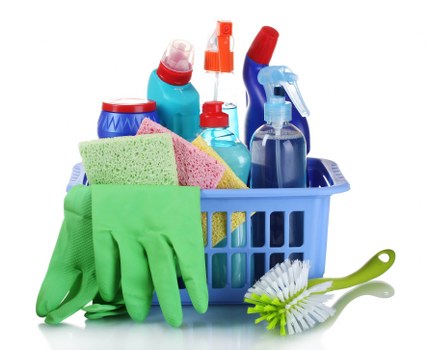
A reliable communal area cleaning checklist helps ensure that nothing gets missed. It provides structure, improves accountability, and helps cleaning teams work efficiently. Whether the property is residential or commercial, a checklist should be adapted to the building’s layout and priorities.
Key tasks often include:
- Vacuuming carpets and rugs
- Sweeping and mopping hard floors
- Dusting skirting boards, ledges, and fixtures
- Cleaning handrails, light switches, and door handles
- Wiping lift interiors and exterior buttons
- Removing litter and emptying bins
- Cleaning glass doors, mirrors, and windows
- Removing cobwebs and debris from corners
- Sanitising shared surfaces
- Checking for spills, stains, and odours
For a more refined service, the checklist may also include inspection notes. These notes help identify broken lights, damaged flooring, leaks, or other issues that may need property management attention. In this way, communal area cleaning becomes part of a broader maintenance strategy rather than a stand-alone task.
Residential Communal Area Cleaning
In residential buildings, communal area cleaning is essential for resident satisfaction and day-to-day comfort. Hallways, stairs, lifts, and entryways are used constantly by tenants, guests, delivery drivers, and service providers. When these areas are clean, residents feel more confident about their living environment and are more likely to treat the property with care.
Residential communal area cleaning often focuses on removing everyday dirt, managing waste, and keeping shared access points free from clutter. Because residents may not all share the same standards of tidiness, professional cleaning provides a neutral and consistent solution. It helps maintain fairness and prevents tension caused by untidy shared spaces.
Another important factor is building reputation. A well-kept communal environment can make a residential property feel more desirable, which can support tenant retention and improve first impressions for visitors or prospective residents. Clean communal areas send a strong message that the property is maintained to a high standard.
Typical residential cleaning priorities:
- Daily entrance and doorway presentation
- Stairwell and lift cleanliness
- Regular bin area hygiene
- Spot-cleaning marks on walls and handrails
- Seasonal deep cleans for high-traffic zones
Commercial Communal Area Cleaning
Commercial properties also depend heavily on communal area cleaning to create a professional atmosphere. Office foyers, break rooms, shared restrooms, meeting corridors, and reception spaces all influence how employees, clients, and business partners perceive the organisation. A clean environment supports productivity and reinforces trust.
In commercial settings, communal area cleaning must often be performed around working hours to minimise disruption. Cleaning teams may work early in the morning, after hours, or during scheduled quiet periods. This allows the building to remain presentable while operations continue smoothly. Commercial communal area cleaning also requires careful attention to high-touch points, since many different people use the same surfaces throughout the day.
Office buildings, co-working spaces, retail developments, and business centres often need a mix of visible cleaning and behind-the-scenes hygiene management. Shared kitchens, washrooms, and reception seating areas especially benefit from frequent sanitising, waste removal, and detailed tidying.
Commercial priorities may include:
- Reception and waiting area presentation
- Washroom sanitisation
- Kitchen and tea-point hygiene
- Floor care for carpets, vinyl, or tiled surfaces
- Touchpoint disinfection for doors, switches, and lift controls
Health, Hygiene, and Safety in Communal Spaces
One of the strongest reasons to invest in communal area cleaning is the impact on health and hygiene. Shared environments can harbour germs if they are not cleaned properly, especially in areas where hands frequently touch surfaces. Regular cleaning reduces contamination and helps create a more sanitary setting for everyone.
Safety is closely linked to hygiene. Spills on hard floors, litter in stairwells, or objects left in corridors can create trip hazards. Dirty surfaces can also become slippery, and overflowing waste can attract pests. By keeping communal spaces clean and orderly, property managers reduce risks and demonstrate duty of care.
It is also important to use the right products and methods. Overuse of harsh chemicals can damage surfaces or create unnecessary fumes, while poor cleaning practices may simply spread dirt around. Professional communal area cleaning balances effective sanitation with safe, surface-appropriate techniques. That balance matters in every type of shared property.
Important safety considerations:
- Use appropriate cleaning products for each surface
- Place warning signs when floors are wet
- Keep corridors, exits, and stairs clear
- Disinfect high-touch areas regularly
- Report damage, leaks, or hazards promptly
How to Improve Communal Area Cleaning Standards
Improving communal area cleaning standards starts with planning, communication, and consistency. Every building is different, so the cleaning approach should reflect the size, traffic, and purpose of the shared areas. A clear plan makes it easier to deliver excellent results and measure performance over time.
Property managers and service providers can improve standards by setting expectations, reviewing checklists regularly, and responding quickly to recurring issues. If litter keeps appearing in one location, for example, the solution may involve better bin placement or more frequent collection. If entrance floors are constantly muddy, entrance matting or seasonal adjustments may be needed.
Technology can also support better cleaning outcomes. Digital inspection reports, task logs, and maintenance tracking help identify patterns and keep everyone informed. When communal area cleaning is monitored properly, it becomes easier to maintain quality and address gaps before they become visible problems.
Practical improvement tips:
- Use a site-specific cleaning schedule
- Train staff on hygiene and safety standards
- Review high-traffic areas more frequently
- Encourage residents or staff to report issues early
- Combine routine cleaning with periodic deep cleaning
Choosing the Right Communal Area Cleaning Service
Selecting the right service provider can make a major difference to the quality of results. A good communal area cleaning company should understand different property types, be reliable with schedules, and use appropriate equipment for the building. Experience, attention to detail, and communication are all important.
Before choosing a provider, it helps to assess whether they offer flexible plans, transparent service standards, and the ability to adapt to changing needs. The best providers do not simply clean; they partner with property managers to protect the shared environment over the long term. Reliable communal area cleaning should feel seamless and dependable.
It is also sensible to look for cleaning teams that are insured, trained, and equipped to handle both routine maintenance and specialist tasks. If your property includes mixed surfaces, specialist flooring, or high-touch public areas, the provider should be capable of delivering the right level of care without compromise.
Questions to consider before hiring:
- Do they understand your type of property?
- Can they create a tailored cleaning plan?
- How do they handle inspections and quality checks?
- Are they prepared for urgent spill or hygiene issues?
- Do they offer regular and deep-clean options?
Long-Term Value of Regular Communal Area Cleaning
Regular communal area cleaning is an investment in the long-term condition of a building. Dirt and neglect can wear down surfaces, stain flooring, and shorten the life of fixtures. When shared spaces are cleaned consistently, materials last longer and require less repair or replacement over time.
There is also a financial benefit. A well-maintained building is often easier to market, easier to manage, and less likely to suffer from avoidable maintenance problems. Clean common areas support tenant satisfaction, boost professional presentation, and contribute to a more stable property environment. For owners and managers, that can translate into better retention and fewer complaints.
Perhaps most importantly, communal area cleaning helps people feel better about the spaces they use every day. Cleanliness affects mood, confidence, and comfort. Whether someone is arriving home after work or walking into a meeting, the condition of the shared environment shapes their experience.
If you want your building to stay attractive, hygienic, and welcoming, book your service now and make communal area cleaning a regular priority. Contact us today to take the next step toward cleaner shared spaces and a better overall environment.
Final Thoughts
Communal area cleaning is one of the most important parts of property maintenance because it affects hygiene, safety, comfort, and appearance all at once. From apartment blocks to office buildings, shared spaces need regular attention to stay clean and functional. A consistent approach helps reduce hazards, improve presentation, and preserve the quality of the property.
With the right cleaning schedule, checklist, and service provider, communal area cleaning becomes a smooth and valuable part of daily operations. It supports everyone who uses the building and ensures that shared spaces remain pleasant, practical, and well cared for. In a world where first impressions matter, clean communal spaces make a lasting difference.
Take action today: review your current cleaning routine, identify problem areas, and invest in a professional solution that keeps your shared spaces looking their best.