Insurance and Safety
 Insurance and safety are central to every professional service where people, property, and equipment must be protected. A strong insurance and safety framework helps reduce uncertainty, supports compliance, and gives clients confidence that work is carried out responsibly. From the first assessment to the final sign-off, every stage should be shaped by clear procedures, reliable cover, and a culture of care.
One of the most important protections is public liability insurance. This cover is designed to respond if accidental injury or property damage occurs during work activities. Whether the job takes place indoors or outdoors, public liability insurance can provide essential financial support when the unexpected happens. It is a practical safeguard that complements safe working practices and demonstrates a commitment to accountability.
Alongside insurance, staff development plays a major role in maintaining a safe environment. Training should not be treated as a one-off task; it should be ongoing, structured, and relevant to the work being undertaken. Well-trained teams are better prepared to identify hazards, use equipment correctly, and respond quickly if conditions change. In this way, insurance and safety measures work together to create a more dependable service.
 Every member of the team should understand the importance of proper procedures, communication, and site awareness. Internal instruction should cover safe handling, manual tasks, emergency response, and the correct use of tools or machinery. Where needed, refresher sessions can help maintain standards and ensure that safe habits remain consistent. A skilled workforce is one of the strongest foundations of effective workplace safety.
PPE is another essential part of the safety process. Personal protective equipment may include gloves, helmets, high-visibility clothing, eye protection, hearing protection, or respiratory masks, depending on the nature of the task. PPE should be selected carefully, fitted correctly, and checked regularly for wear or damage. It is not a substitute for safe systems of work, but it is a valuable final layer of protection when risks cannot be fully eliminated.
 The use of PPE should be supported by clear instructions and supervision so that staff understand when and how it must be worn. Equipment that is uncomfortable or poorly maintained is less likely to be used correctly, so regular review is important. By combining appropriate protective gear with practical training, businesses can strengthen their approach to health and safety while reinforcing confidence across the team.
Risk assessment is at the heart of a responsible safety process. Before any work begins, hazards should be identified, the likelihood and severity of harm considered, and control measures put in place. This process should be practical and proportionate, allowing teams to focus on real risks rather than paperwork alone. A strong risk assessment process supports safer decisions and helps prevent avoidable incidents.
The assessment should review the working environment, the nature of the task, the condition of equipment, weather where relevant, and any risks to the public or other workers. If a hazard cannot be removed entirely, it should be managed through barriers, warnings, supervision, safe access arrangements, or changes to working methods. Each assessment should be recorded, reviewed, and updated when circumstances change.
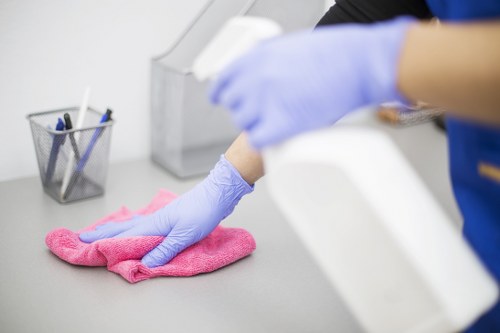 Insurance and safety standards are most effective when they are embedded into everyday operations rather than treated as separate concerns. Public liability insurance protects against financial exposure, staff training improves competence, PPE reduces personal risk, and the risk assessment process helps prevent incidents before they happen. Together, these elements create a reliable framework for responsible work.
Good practice also depends on regular monitoring and a willingness to improve. Managers should check that procedures are followed, protective equipment remains suitable, and training stays relevant to changing tasks or conditions. Where gaps are identified, action should be taken promptly. This proactive approach supports both safe working and business continuity, helping to reduce disruption and maintain high standards.
It is also important that everyone understands their role in maintaining safety. Staff should feel confident reporting hazards, equipment faults, or near misses, while supervisors should respond quickly and clearly. A positive safety culture encourages shared responsibility, making it easier to prevent small issues from turning into larger problems. That is a key part of an effective insurance and safety strategy.
 In practice, the strongest systems combine protection, prevention, and preparation. Public liability cover provides peace of mind, staff training builds competence, PPE offers physical protection, and regular risk assessment keeps processes current and effective. When these measures are applied consistently, they support safer operations, better outcomes, and a professional standard that clients can trust.